Company-reported grants distributed through Grabek Global's formal charitable giving program since 2022.
Bottomland hardwood restoration in Bossier Parish, Louisiana, revitalizing vital ecological functions.
Longleaf pine savannah and slash pine flatwoods restoration in St. Tammany Parish, Louisiana.
Impact That Reaches Beyond the Forest
At Grabek Global, sustainability is about more than managing natural resources. It is about people, communities, and the environments that support everyday life.
Our community-impact approach connects responsible forestry, conservation, environmental restoration, local opportunity, and long-term resilience. From supporting communities through charitable giving to restoring important natural habitats, we believe responsible business should create value that reaches beyond individual projects.
When Disaster Changes Everything
Earthquakes, floods, hurricanes, wildfires, droughts, and landslides can change the future of a community in a matter of minutes. Homes can disappear, healthcare can be interrupted, water systems can fail, and families can lose both shelter and income simultaneously.
Recovery must address immediate human needs while also creating a stronger, more sustainable foundation for the future.
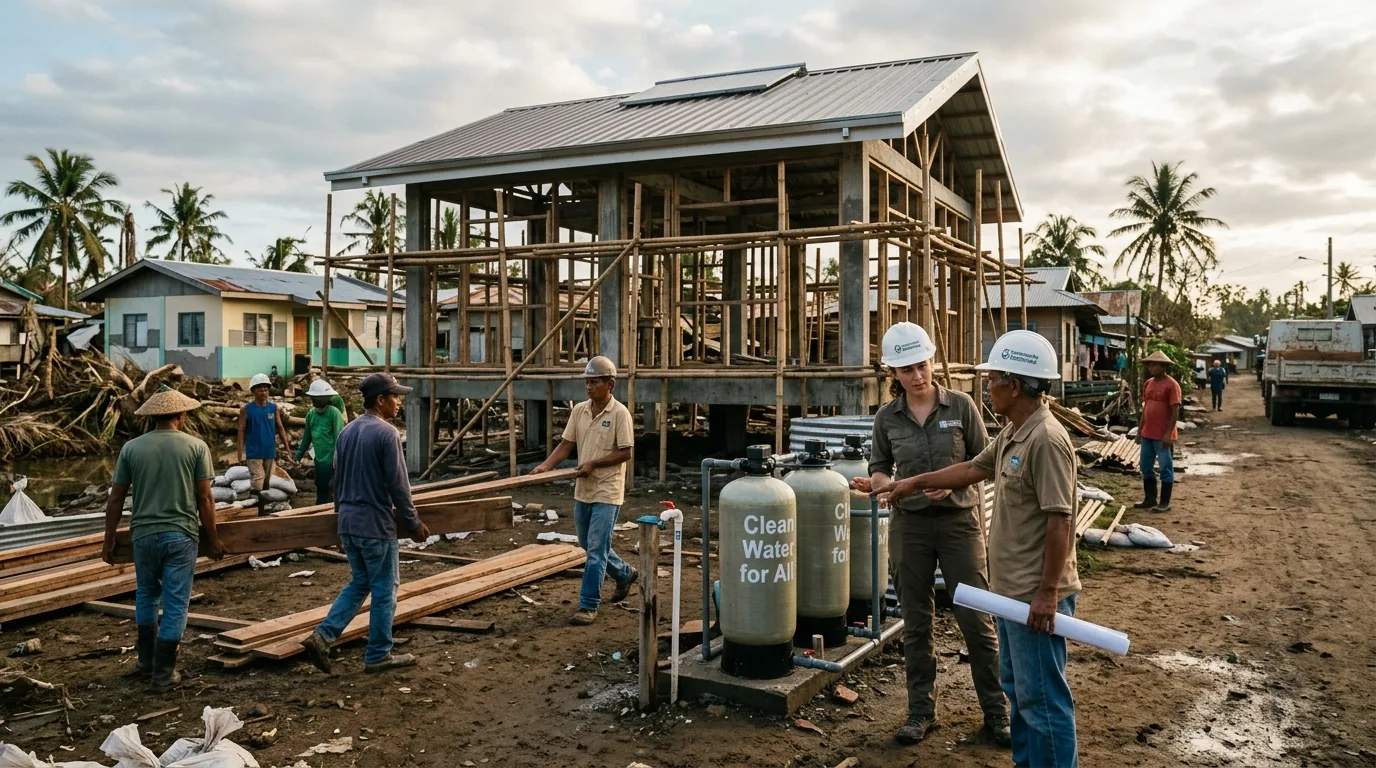
Four Pillars of Crisis Recovery
Housing & Shelter
Safe shelter, urgent structural repairs, and the recovery of homes are fundamental to helping displaced families regain stability.
Medical Support
Healthcare access, essential pharmaceuticals, and emergency medical resources become paramount during post-disaster disruption.
Water & Essentials
Reliable potable water filtration, sanitation networks, food supplies, and basic household necessities to stabilize communities.
Community Recovery
Rehabilitating critical access roads, community centers, schools, and shared spaces to reconnect local commercial life.
Six Interconnected Recovery Priorities
Grabek Global's community programs include charitable giving, rural employment, local contractor partnerships, infrastructure development, educational programs, and environmental awareness.
1. Homes
Supporting safe housing and the rehabilitation of damaged community living spaces.
2. Health
Helping vulnerable populations regain immediate access to essential healthcare and medicines.
3. Water
Protecting freshwater sources, watersheds, and the distribution systems people depend on.
4. Livelihoods
Creating employment, contractor partnerships, and local economic revitalization pathways.
5. Nature
Restoring forests, wetlands, and natural buffers affected by environmental damage.
6. Resilience
Helping communities and landscapes become better prepared for future climate challenges.
Global Recovery in Focus
Different disasters create different recovery needs. These initiatives illustrate the multifaceted support required to rebuild stability.
Türkiye & Syria
Following the devastating February 2023 earthquakes, affected communities faced widespread housing loss, pressure on healthcare services, and extensive infrastructure damage.
Pakistan
The 2022 floods demonstrated how extreme rainfall can affect homes, agriculture, transport, water systems, and livelihoods simultaneously across entire provinces.
Libya (Derna)
The catastrophic flooding around Derna in 2023 highlighted the vital importance of resilient infrastructure, flood mitigation barriers, and functioning water-management systems.
Morocco
The 2023 earthquake heavily impacted high Atlas mountain communities where difficult geography and remote terrain made access, shelter, and recovery especially challenging.
Brazil (Rio Grande do Sul)
The 2024 Rio Grande do Sul floods disrupted homes, regional businesses, transport corridors, and essential public utilities across vast agricultural and municipal zones.
Caribbean
Hurricane Beryl demonstrated the profound vulnerability of island communities when housing, power grids, transport, agriculture, and water systems are simultaneously impacted.
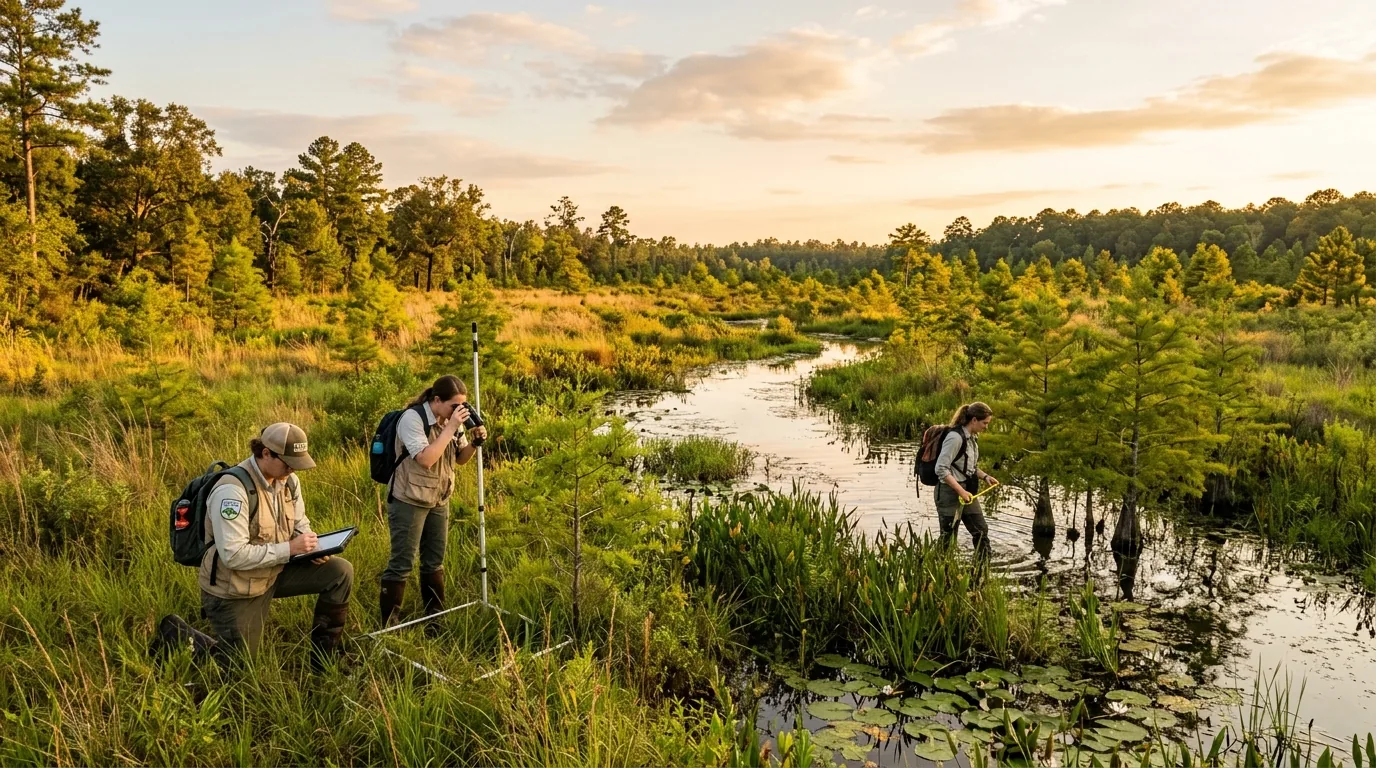
Restoring Nature Is Part of Recovery
Natural disasters do not only affect buildings. They can damage forests, wetlands, watersheds, wildlife habitats, and productive agricultural land. Environmental recovery therefore forms an indispensable pillar of long-term community resilience.
Healthy natural systems protect clean water, stabilize soils against landslides, support biodiversity, store carbon, and provide sustainable economic livelihoods.
Ecological Restoration in Action
Grabek Global's mitigation and ecological stewardship work includes large-scale projects designed to restore core biological functions in wetlands and streams.
Bottomland hardwood restoration — supporting the complete revitalization of a valuable natural wetland landscape and its hydrological functions.
Longleaf pine savannah and slash pine flatwoods restoration — restoring native flora, wildfire resistance, and soil stability across vulnerable ecosystems.
Building Resilience Together
Recovery does not end when debris is cleared or infrastructure is repaired. Lasting recovery means communities can move forward with stronger livelihoods, healthier environments, and greater ability to face future challenges.